


From Waste to Wealth: How Upcycling Empowers Youth in Underprivileged Communities

Updated: Jan 21
In many under-served neighborhoods, "waste" isn't just an environmental issue, it’s an untapped goldmine. Upcycling, offers a powerful intersection of environmental activism and social upliftment.
For young people facing limited access to traditional education, upcycling projects provide more than just a hobby; they offer a path toward skills, income, and a renewed sense of purpose.
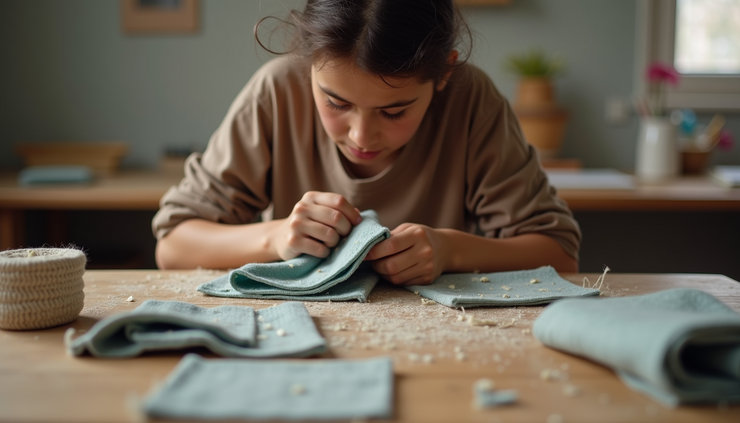
How Upcycling Benefits Youth in Underprivileged Areas
Many young people in underprivileged areas face a "possibility gap." Upcycling bridges this gap by turning the items around them into tools for growth:
Skill Development: Hands-on projects teach practical trades like sewing, carpentry and graphic design without the need for expensive raw materials.
The "Resourceful" Mindset: When a student learns to see a plastic bottle as a bead or a pallet as a chair, they develop a problem-solving mindset that translates to every other area of life.
Economic Independence: Upcycling lowers the "barrier to entry" for entrepreneurship. Since the raw materials are often free or low-cost, young creators can start small businesses with minimal financial risk.
Examples of Successful Upcycling Programs
Several organizations have launched upcycling initiatives that show clear benefits for youth:
The ReLondon project in London works with the Mayor and boroughs to promote waste reduction and recycling, running campaigns like, "London Recycles" and "Repair Week".
Green Up in Nairobi runs workshops where youth turn plastic waste into jewelry and accessories. This project combines environmental education with income generation.
EcoYouth in Brazil focuses on textile upcycling, teaching sewing and design to young women. Graduates have started small businesses selling their creations online and in local shops.
These programs demonstrate that upcycling can be both a creative outlet and a source of income, helping youth build a better future.
Steps to Start an Upcycling Initiative in Your Community
Starting an upcycling project requires planning and community involvement. Here are key steps to consider:
Identify local waste materials that are abundant and suitable for upcycling, such as fabric scraps, plastic bottles, or wood pallets.
Engage youth and community leaders to understand interests and needs. This ensures the project is relevant and supported.
Provide training and tools for skills like cutting, sewing, painting, or assembling. Partnering with local artisans or organizations can help.
Create a safe and accessible workspace where youth can gather to learn and create.
Develop a plan to sell or distribute products, such as local markets, online platforms, or community events.
Measure impact by tracking skills gained, products made, and income generated to improve the program over time.

The Broader Impact of Upcycling on Communities
Beyond individual benefits, upcycling initiatives contribute to environmental awareness and waste reduction. Youth involved in these projects often become advocates for sustainability in their neighborhoods. This ripple effect can lead to cleaner streets, reduced landfill waste, and stronger community ties.
Moreover, upcycling can inspire entrepreneurship. Young people who start small businesses selling their creations gain financial independence and develop leadership skills. These experiences can open doors to further education and career opportunities.
Get Involved!
You don't have to start a non-profit to make a difference. You can support this movement by:
Mentoring: Offering business or design advice to local youth groups.
Donating: Providing tools or surplus materials from your own business.
Buying Local: Prioritizing upcycled products for your home or office.
Support from multiple stakeholders increases the chances of success and long-term impact.

Comments